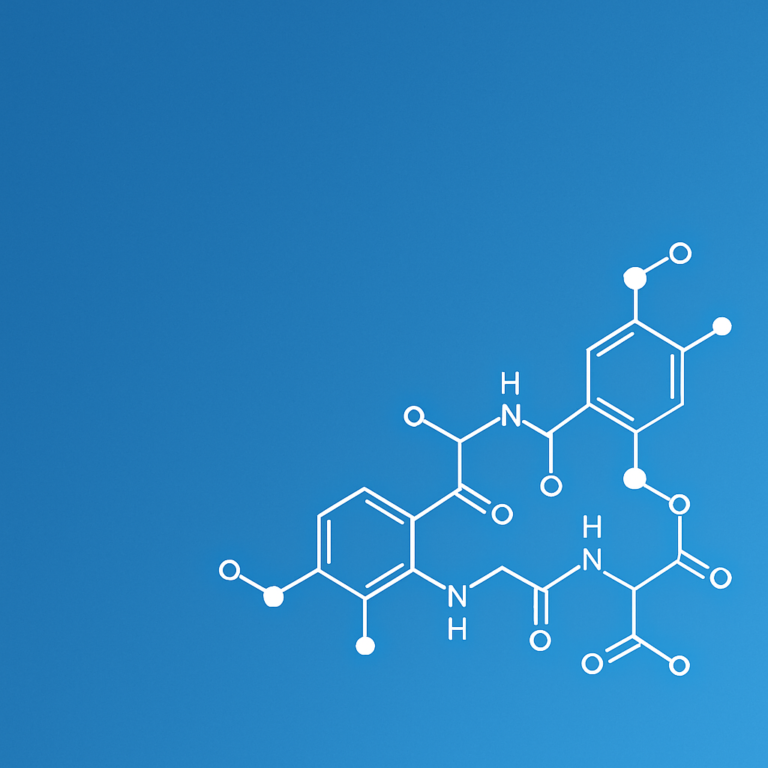
The Peptide Science Handbook – Chapter 8 Limitations and Challenges in Peptide Science
Peptide science offers powerful research tools, but these molecules also come with real biochemical and practical limitations. This chapter explains the key challenges researchers encounter, including short half-lives, formulation problems, delivery barriers, and synthesis complexity. It also highlights issues such as degradation pathways, batch variability, and scale-up costs. Understanding these limitations helps researchers design better experiments and interpret peptide data more accurately.

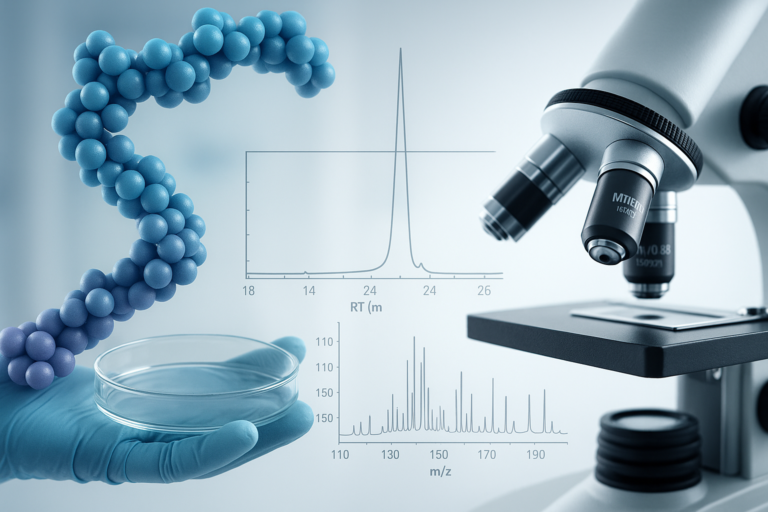
The Peptide Science Handbook – Chapter 9 Future Directions and Emerging Trends in Peptide Science

Peptide science is moving into a new era shaped by computational design, advanced chemistry, and innovative delivery strategies. This chapter explores the emerging technologies that will define the next decade, including AI-designed peptides, noncanonical amino acids, macrocycles, mRNA-encoded peptides, and self-assembling peptide materials. These trends expand what peptides can do and how they can be used in research. Understanding these developments helps researchers prepare for the rapidly evolving landscape of peptide biotechnology.

The Peptide Science Handbook – Chapter 10 Quality Control, Analysis, and Laboratory Practices

Peptide research requires strict quality control, accurate analysis, and disciplined laboratory practices to ensure reproducible results. This chapter covers the essential analytical tools—HPLC, mass spectrometry, NMR, and sequencing—as well as proper storage, handling, and GLP guidelines. Understanding these methods helps researchers verify peptide identity, detect impurities, and maintain sample integrity. These practices form the backbone of reliable peptide science.

What Are Peptides? A Complete Guide for Researchers and Enthusiasts in Colombia

Peptides are short chains of amino acids that act as precise molecular messengers — influencing everything from cellular repair to metabolism and hormone signaling.
In Colombia, growing interest in peptide science has created a demand for accurate, trustworthy information.
This guide from Poly Biotech explains what peptides are, how they work, and why they’ve become essential tools in modern research.
Whether you’re a professional, student, or clinic, this article helps you understand the science behind peptides before exploring Colombia’s most trusted source for research-grade materials.

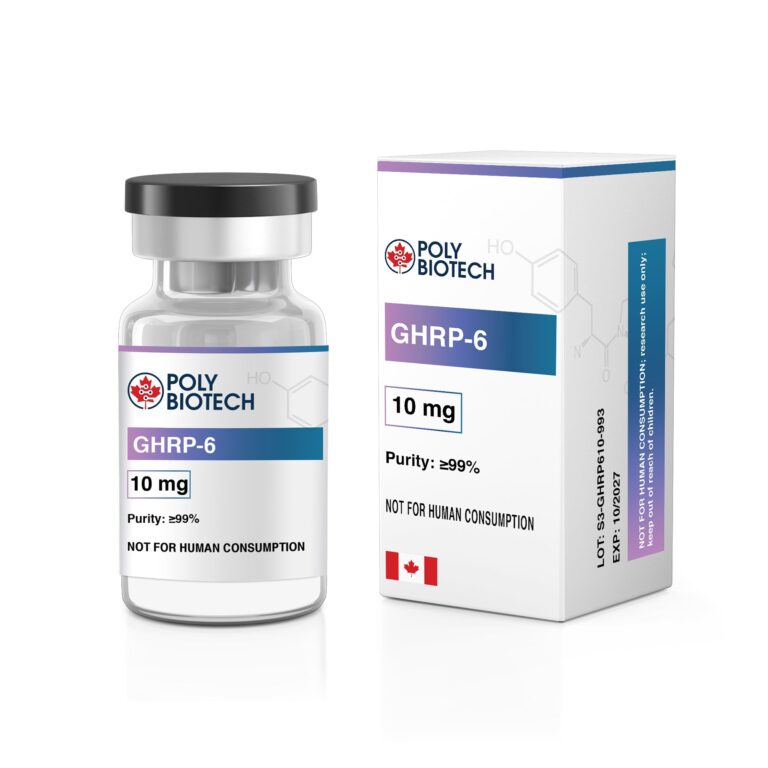
The Science of Growth Hormone Peptides: Understanding CJC-1295, Ipamorelin, Sermorelin and GHRP-6

Growth hormone peptides are central tools in endocrine and cellular research, allowing scientists to study how the body regulates growth, repair, and metabolism.
This article examines four key compounds—CJC-1295, Ipamorelin, Sermorelin, and GHRP-6—and explains how each interacts with the growth hormone axis through distinct biological pathways.


Together, these peptides provide a framework for exploring GH pulsatility, receptor signaling, and feedback mechanisms in controlled laboratory environments.


Researchers in Colombia can access these and other high-purity peptides through Poly Biotech, with nationwide delivery and verified quality for scientific use.

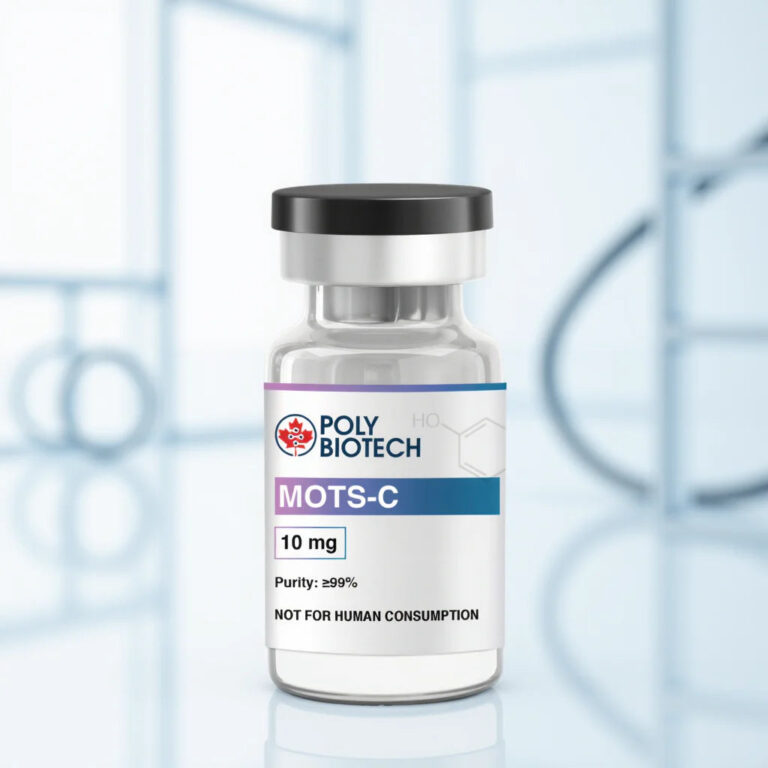
Mitochondrial Health and Peptide Research: How SS-31 and MOTS-c Are Changing Science

Mitochondria are central to energy production and cellular balance, and researchers are increasingly turning to specialized peptides to study their function.
This article explores how SS-31 (Elamipretide) and MOTS-c, two well-characterized mitochondrial peptides, are being used in scientific research to investigate bioenergetics, oxidative regulation, and peptide-mediated signaling.
Through findings from international studies and locally available compounds from Poly Biotech, Colombian researchers can now access high-purity peptides for advanced laboratory exploration of mitochondrial science — without the need for imports or intermediaries.

What Are Peptides? A Complete Guide for Researchers in Colombia

Peptides are short chains of amino acids that play a vital role in cell signaling, regeneration, and metabolic research.
This guide explains what peptides are, how they’re used in scientific studies, and why interest in peptide research is rapidly growing in Colombia.
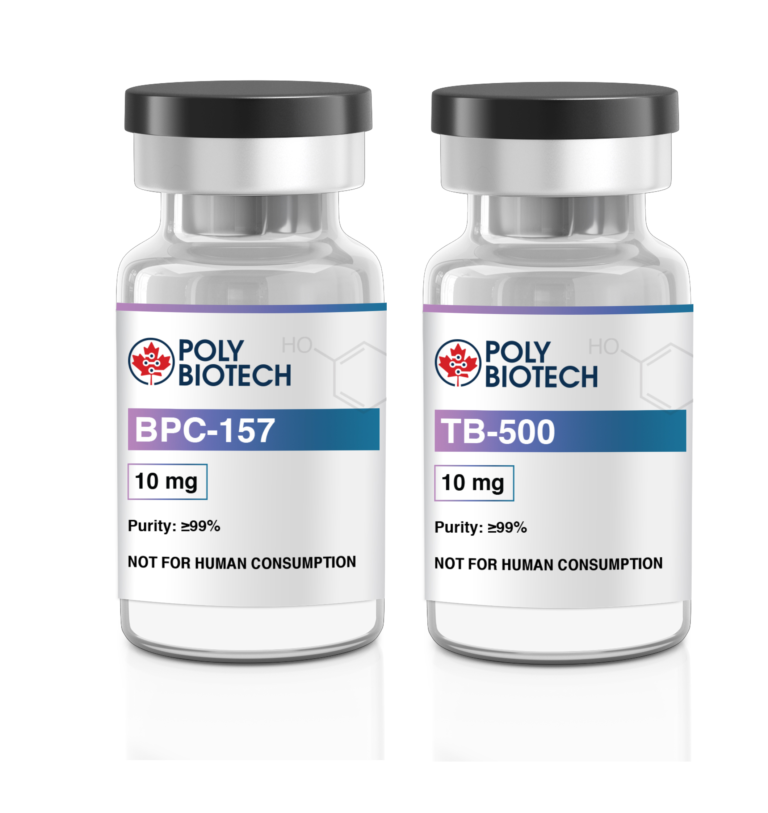
From regenerative compounds like BPC-157 and TB-500 to neuropeptides such as DSIP and mitochondrial peptides like SS-31,
Poly Biotech provides Colombian researchers with high-purity, sterile peptides produced under strict laboratory standards —
ensuring quality, reliability, and accessible nationwide delivery for advanced research.