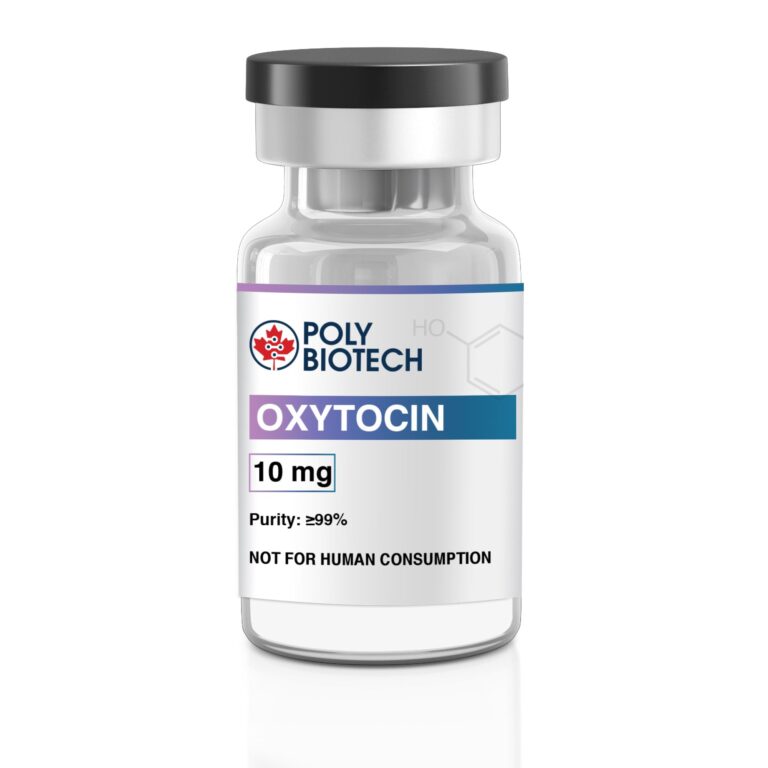
Poly Biotech Announces the Release of Oxytocin 10mg in Colombia

Poly Biotech Announces the Release of Oxytocin 10mg in Colombia Poly Biotech is proud to announce the launch of Oxytocin 10mg in Colombia, now available directly through our Medellín inventory. This addition strengthens our growing peptide catalog and provides laboratories…
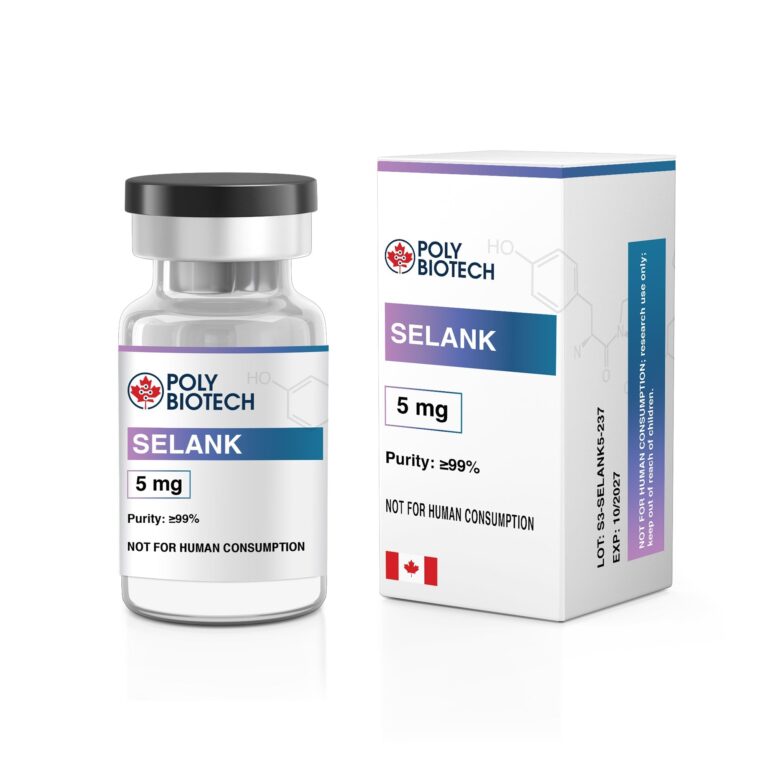
Selank vs. Semax – Two Key Neuropeptides in Cognitive Research

Selank and Semax are two of the most researched neuropeptides in cognitive and behavioral science. This in-depth comparison explains their origins, mechanisms, and key differences in laboratory research—without medical claims—providing Colombian researchers with a clear reference on how these peptides function in neurobiology.

What Are Peptides?

Peptides are tiny chains of amino acids that act like messages in the body, helping different cells communicate and stay in balance. This beginner-friendly guide explains peptides in simple language, using clear analogies to make complex concepts easy to understand. For readers who want to explore the science further, the page includes direct links to all chapters of the Poly Biotech Peptide Science Handbook.

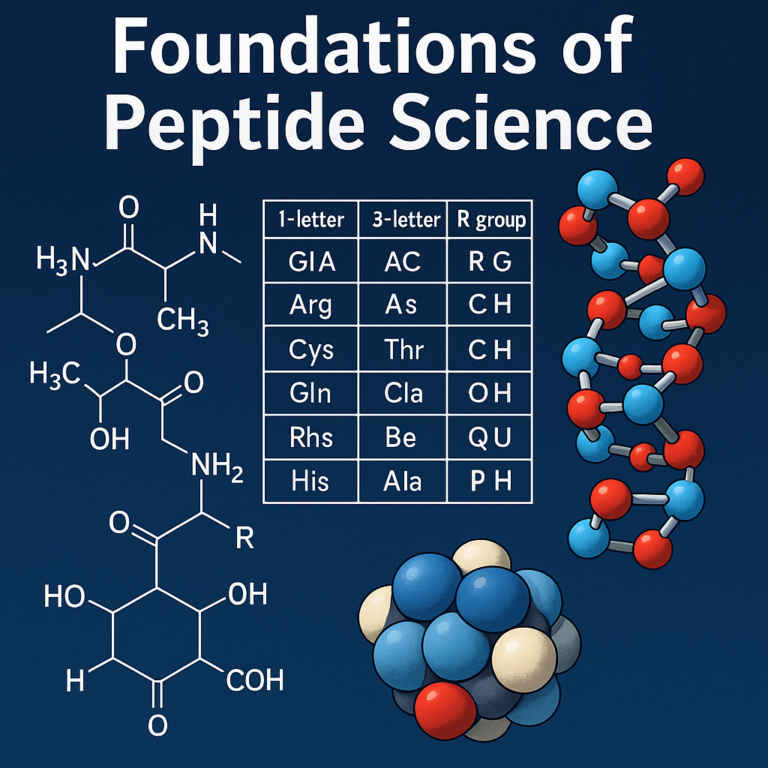
The Peptide Science Handbook – Chapter 1 Foundations of Peptide Science

Peptides are short chains of amino acids that play essential roles in signaling, structure, and biochemical regulation. This chapter explains what peptides are, how amino acids determine their behavior, and how peptide bonds form the backbone of all peptide structures. You’ll also learn the differences between peptides and proteins, as well as how linear and cyclic peptides are classified. This foundational knowledge prepares the reader for deeper scientific topics in later chapters.

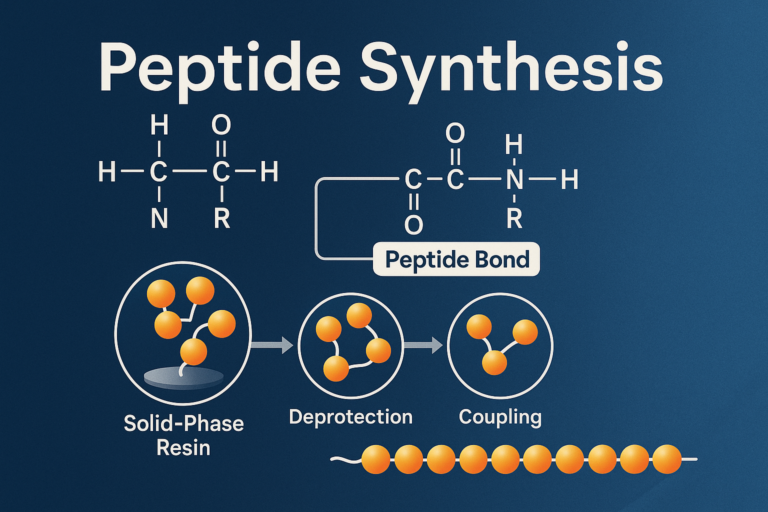
The Peptide Science Handbook – Chapter 2 Peptide Synthesis

Peptide synthesis is the core technology that makes modern peptide research possible. This chapter covers how peptides are assembled using solid-phase peptide synthesis (SPPS), why protecting groups and resins matter, and how coupling reagents drive amide bond formation. You’ll also learn how difficult sequences are managed and how post-synthesis steps such as cyclization and lyophilization refine the final product. This chapter provides the essential manufacturing foundation for anyone studying or working with research peptides.

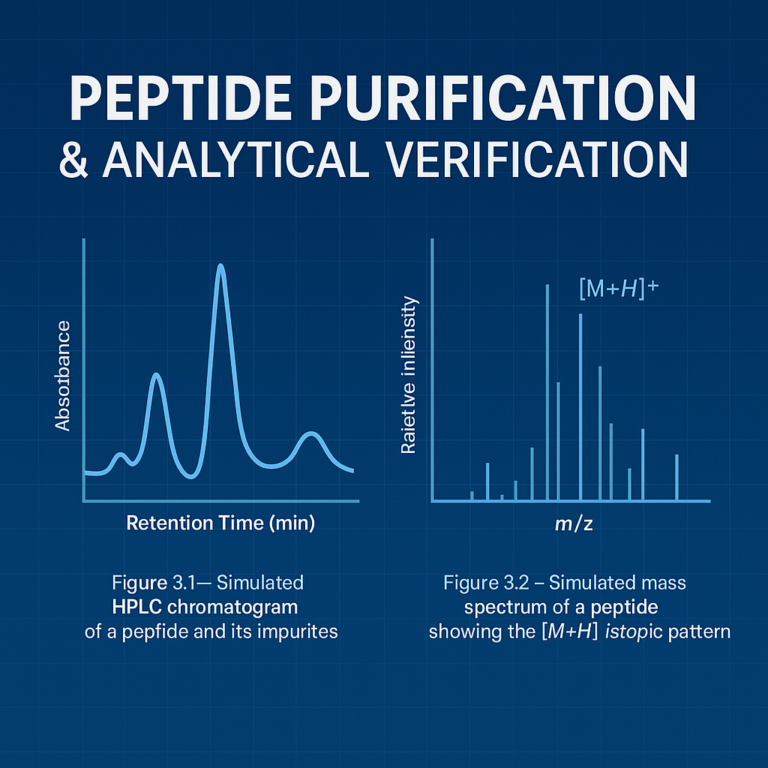
The Peptide Science Handbook – Chapter 3 Purification and Analytical Verification

Purification and analytical testing are essential steps in transforming a crude peptide into a reliable research material. This chapter explains how HPLC separates the desired peptide from impurities, how mass spectrometry confirms identity through molecular weight, and how impurity profiles reveal the underlying chemistry of synthesis. You’ll also learn how to interpret COAs and understand the role of counter-ions, residual solvents, and analytical methods in quality assurance. Together, these tools form the backbone of peptide verification and batch consistency.

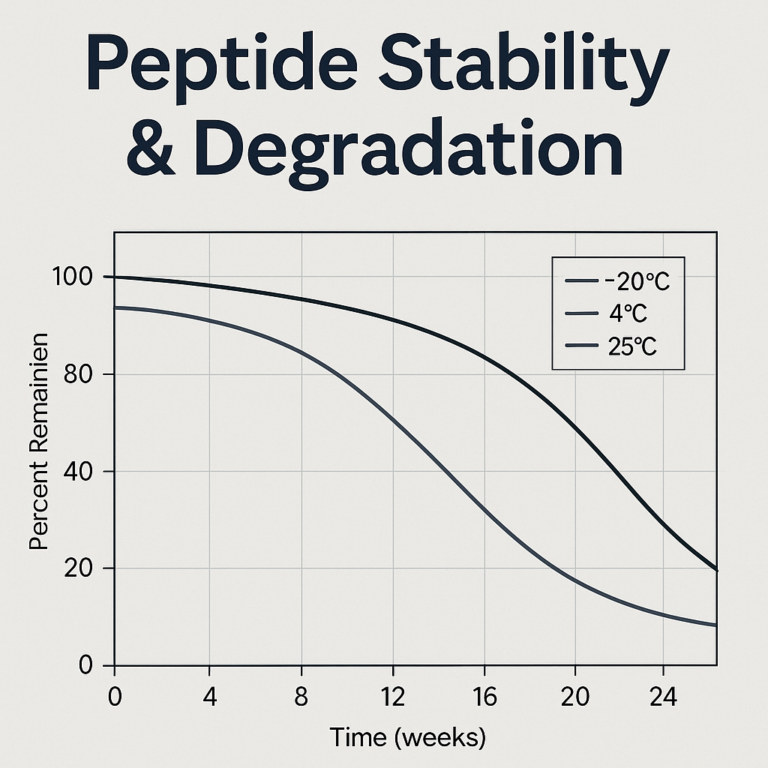
The Peptide Science Handbook – Chapter 4 Stability, Solubility, and Degradation Pathways

Peptides are chemically sensitive molecules whose behavior depends heavily on temperature, pH, and storage conditions. This chapter explains the major degradation pathways—hydrolysis, oxidation, deamidation, and aggregation—and how they impact peptide integrity over time. You’ll also learn practical strategies for storage and reconstitution so your peptides remain stable, soluble, and reliable in research settings.

The Peptide Science Handbook – Chapter 5 Pharmacokinetics of Peptides

Peptide pharmacokinetics determine how peptides are absorbed, distributed, metabolized, and cleared inside biological systems. Because peptides are hydrophilic and protease-sensitive, they often exhibit short half-lives and fast elimination. This chapter explains the barriers that limit absorption, the factors influencing distribution, and the enzymes responsible for rapid metabolic breakdown. It also explores biochemical strategies that extend peptide stability and circulation time.

The Peptide Science Handbook – Chapter 6 Routes of Administration and Formulation Science

Peptides behave very differently depending on how they are delivered into the body. This chapter compares subcutaneous, intramuscular, and intranasal administration, explaining how each route affects absorption, stability, and exposure over time. It also introduces key formulation concepts that help researchers improve peptide performance and interpret experimental results.

The Peptide Science Handbook – Chapter 7 Applications in Scientific Research

Peptides are widely used across scientific disciplines because of their modular structure and ability to interact with precise biological pathways. This chapter explores major research applications, including neurochemistry, metabolism, tissue repair, mitochondrial biology, immunology, and aging. These diverse roles highlight why peptides are essential tools in modern experimental design. Understanding their applications helps researchers interpret results and choose the right peptide tools for their work.